What is Artificial Intelligence?
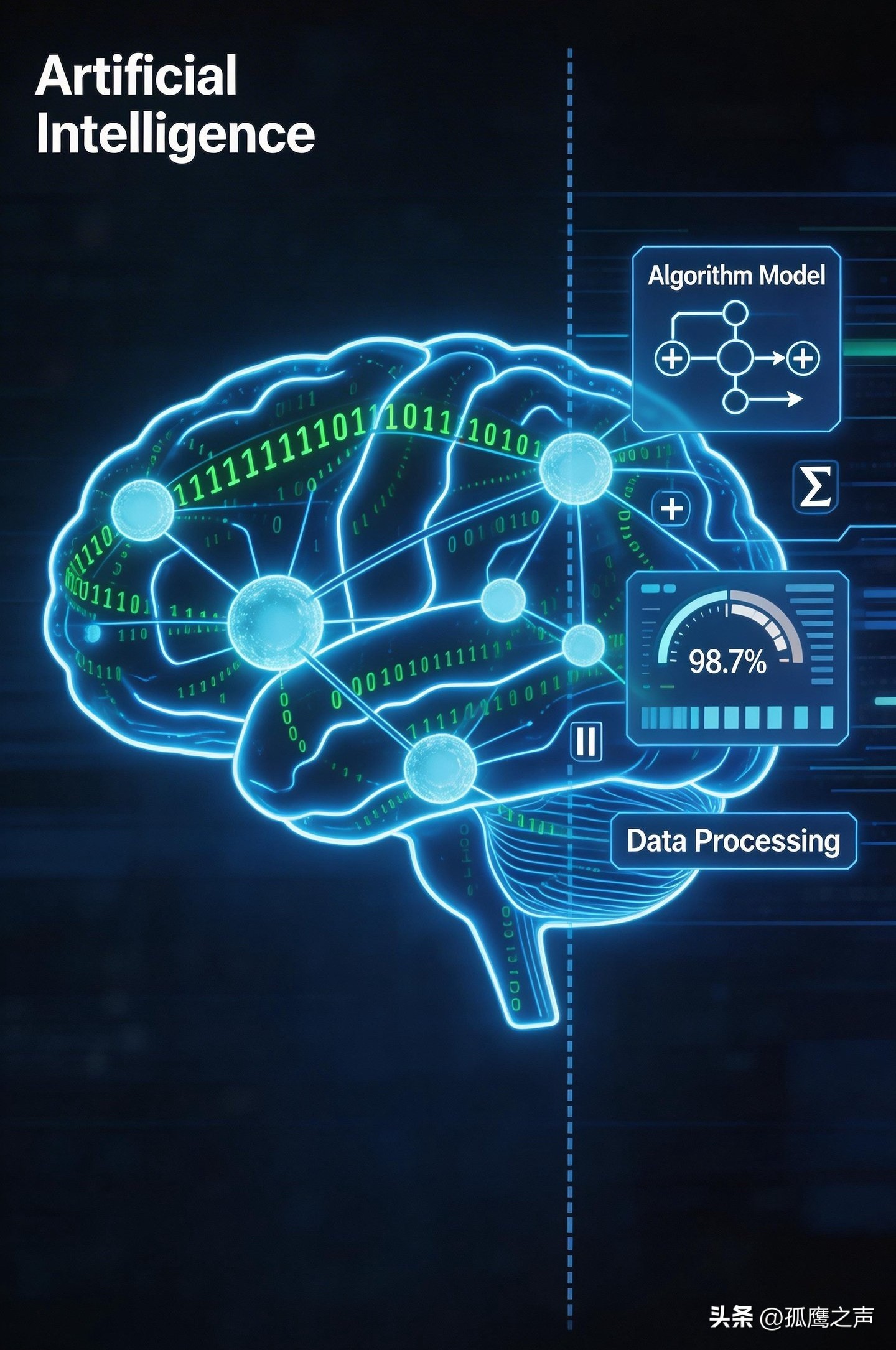
Artificial Intelligence (AI) is a technological system at the intersection of computer science and multiple disciplines. Its core is to simulate, extend, and enhance human information processing and problem-solving capabilities, rather than creating life forms with autonomous consciousness, emotions, and value judgments. Currently, all practical AI is narrow AI, focusing on specific tasks, which fundamentally differs from the general intelligence and human wisdom depicted in science fiction.

Scientific Definition of Artificial Intelligence
Artificial intelligence relies on core technologies such as machine learning, deep learning, and neural networks. Its goal is to enable machines to achieve human-like intelligent behaviors, including perception, understanding, reasoning, learning, decision-making, and interaction. It is a functional intelligence that is engineerable, quantifiable, and reproducible, depending on data, algorithms, and computing power, and adhering to logical and probabilistic rules to complete tasks requiring human intellectual involvement.
From a disciplinary perspective, artificial intelligence is rigorous engineering technology rather than a replication of life. It does not pursue consciousness but rather task efficiency: image recognition, speech transcription, machine translation, autonomous driving, and generative content creation are all engineering realizations of intelligent behavior, not complete reproductions of mental processes.
Intelligence vs. Wisdom: Essential Differences
Intelligence refers to the ability dimension: it emphasizes information processing, logical reasoning, knowledge application, and efficiency optimization, which can be quantified and standardized. It is the “ability to do things.”
Wisdom, on the other hand, refers to the realm dimension: it encompasses value judgments, moral choices, life experiences, intuitive insights, and ultimate concerns, defining what is “the right thing to do and the right direction to choose.” Wisdom is unquantifiable and cannot be algorithmically defined.
Intelligence answers how to do something, while wisdom determines what to do and why to do it. Intelligence is instrumental rationality, whereas wisdom is value rationality. Human wisdom arises from life experiences, self-awareness, and social empathy. Currently, AI possesses only functional intelligence, lacking subjectivity, moral judgment, and genuine emotions, and is far from reaching the level of wisdom.
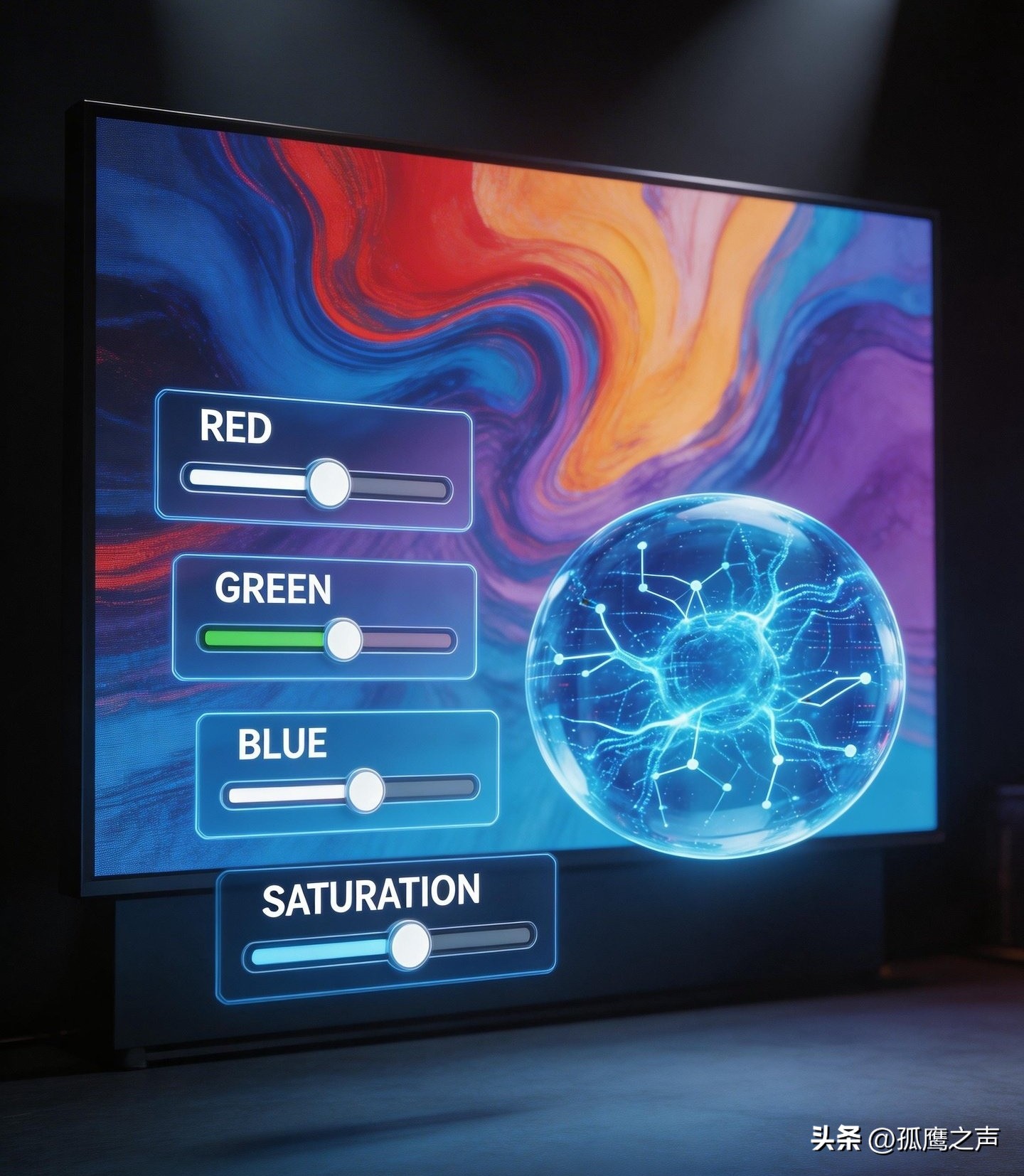
Why is it Named “Artificial Intelligence” Instead of “Artificial Wisdom”?
-
Etymology and Academic Foundation
In 1956, the Dartmouth Conference, led by John McCarthy, officially proposed the term Artificial Intelligence, which is standardly translated into Chinese as “人工智能” (Artificial Intelligence). The original intent of the naming was to distinguish it from concepts like control theory and machine thinking, focusing on the simulation of intelligent behavior by machines rather than constructing human mental and wisdom systems. -
Technical Honesty
Current AI lacks self-awareness, free will, and value reflection; it can only simulate intelligent behavior and does not possess the core characteristics of wisdom. Referring to it as “artificial wisdom” contradicts technical realities and may mislead the public into confusing tools with life, and function with intellect. -
Disciplinary Norms and Global Consensus
Intelligence corresponds to engineerable and realizable intelligent capabilities, while wisdom points to philosophical and life-level wisdom. The global academic community uniformly uses AI, and the Chinese nomenclature follows academic rigor to avoid conceptual generalization and metaphysical interpretations. -
Boundary Warning
Maintaining the term “artificial intelligence” clarifies the technical boundary: AI is a tool to enhance human capabilities, not a replacement for human wisdom. Wisdom belongs to life, while intelligence can be artificially realized; the two should not be conflated.

Unique Scientific Perspective: Intelligence is Engineerable, Wisdom is Not Algorithmically Defined
Intelligence is an efficiency system for information processing that can be decomposed into algorithms and models, continuously optimized through data training, demonstrating engineering realizability. Wisdom, however, is a high-level emergence of life and civilization, relying on embodied experiences, historical accumulation, value communities, and self-transcendence, which cannot be defined by code, exhausted by data, or simulated by computing power.
The evolution direction of AI is towards stronger specialized intelligence, not towards wisdom. The irreplaceability of humans lies in the value judgments, ethical choices, aesthetic creations, and meaning pursuits at the level of wisdom. The more powerful the technology, the more we need to uphold the rational boundaries behind the naming: artificial intelligence serves human wisdom, rather than replacing it.

Conclusion
Artificial intelligence is an engineering simulation of human intelligent behavior, and its name accurately reflects its technical essence and realistic boundaries. The slight difference between “intelligence” and “wisdom” embodies academic rigor and a clear understanding of the relationship between technology and life. In the age of AI, understanding the distinction between the two is essential for guiding technology towards good and allowing wisdom to lead intelligence.
Comments
Discussion is powered by Giscus (GitHub Discussions). Add
repo,repoID,category, andcategoryIDunder[params.comments.giscus]inhugo.tomlusing the values from the Giscus setup tool.